 Get Started


 Login
Login
 (877) 355-3585
 Chat
Chat Email
Email Help Desk


In the movie Moneyball, the Oakland A’s defied conventional wisdom by using data and analytics to build a winning baseball team on a tight budget. Instead of relying just on gut feelings, they focused on data to pick undervalued players with the potential to deliver results. It was a bold move but it worked!
Domain investing is a lot like Moneyball. It’s not about blindly chasing trends or relying only on gut instincts; it’s about using data and consistency in approach to increase your likelihood of success. While many domain investing strategies have been widely discussed, here are ten lesser-known but highly impactful tactics that can help maximize success.
1. Monitor Repeat Visitors on Your Landing Pages
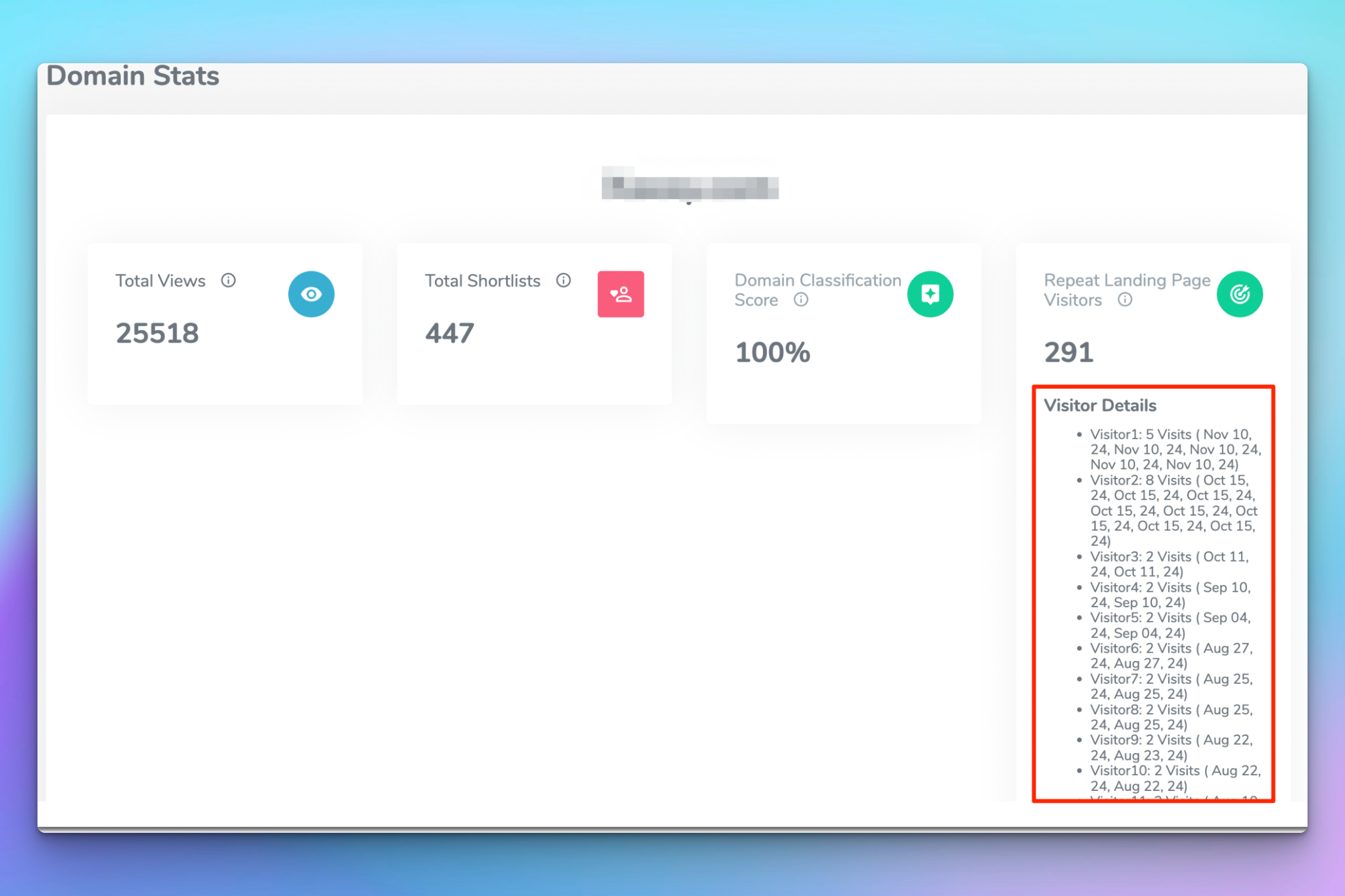
Tracking traffic on your domain landing pages can be helpful, but total visitor numbers don’t always tell the full story. A lot of visitors might land on your page by accident—maybe because of the domain’s previous use (before expiration) or random search traffic.
Repeat visits, on the other hand, signal genuine buyer interest. When someone comes back to a landing page two or three times in short period of time, it’s usually a strong sign they’re seriously interested. Watching for these repeat visits can help you spot the real gems in your portfolio. It’s also a great chance to reevaluate pricing for these domains or figure out which domains are long term holds.
If a domain keeps getting repeat visitors, it’s best not to drop it or sell in wholesale. These are the names with real potential—they’re worth waiting for.
If you are listing your domains on Atom, you can check the repeat visitor data on any of the domains from your listing dashboard.
2. Offer Early Payoff Discounts for Payment Plans
Payment plans are a proven way to increase your sell-through rate (STR), making domains more accessible to buyers who can’t pay the full price upfront. However, payment plans also come with a downside: cancellation risk. According to our data, approximately 24% of payment plans get canceled.
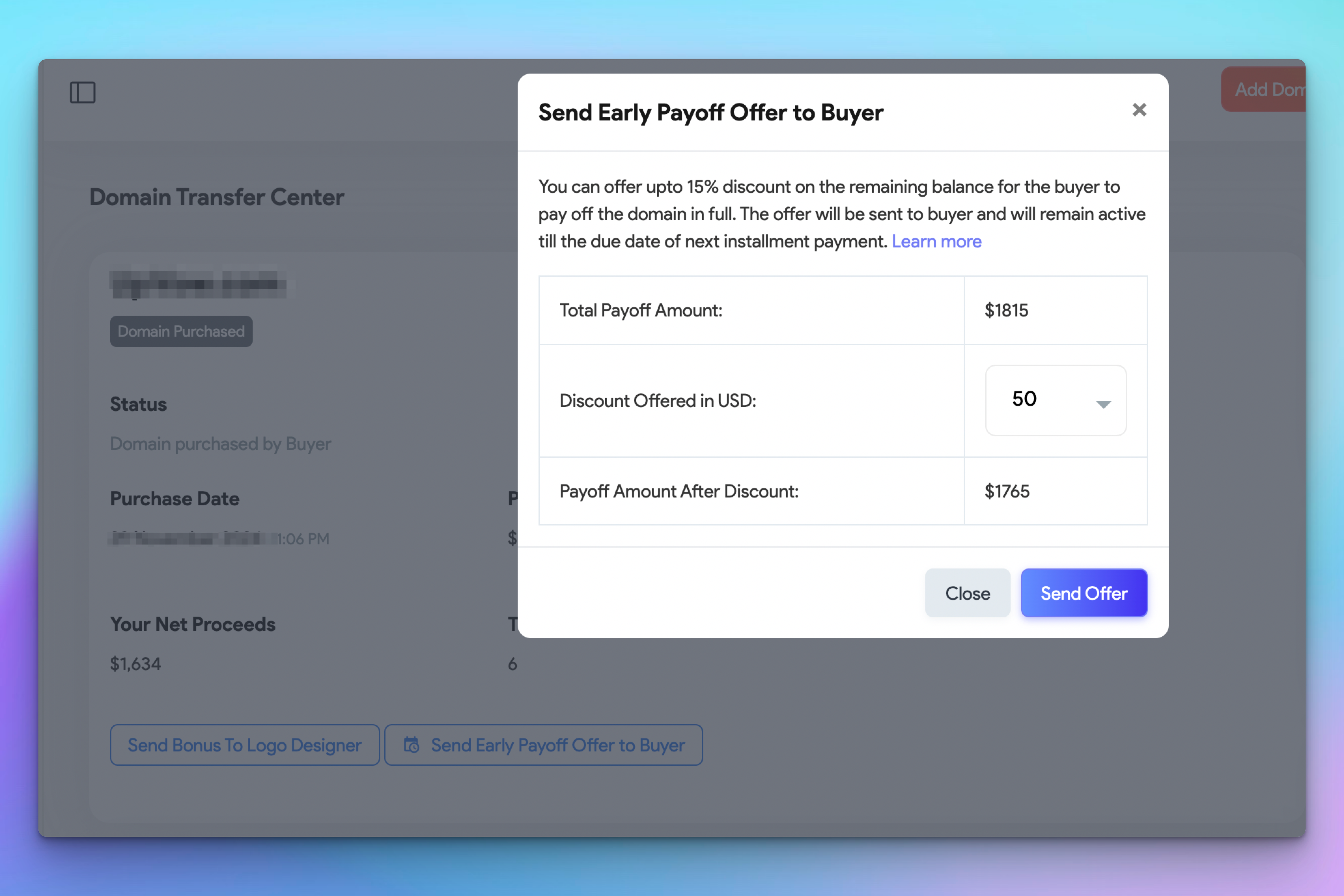
This duality brings up an important question: how do you take advantage of the higher sell-through rate (STR) that payment plans offer while keeping cancellations low and getting full payments faster? Early payoff discounts are a great way to handle this. Giving buyers a discount to pay off their balance early not only reduces cancellations but also puts cash in your pocket faster. Plus, it creates a better experience for buyers, making it a win-win for everyone involved.
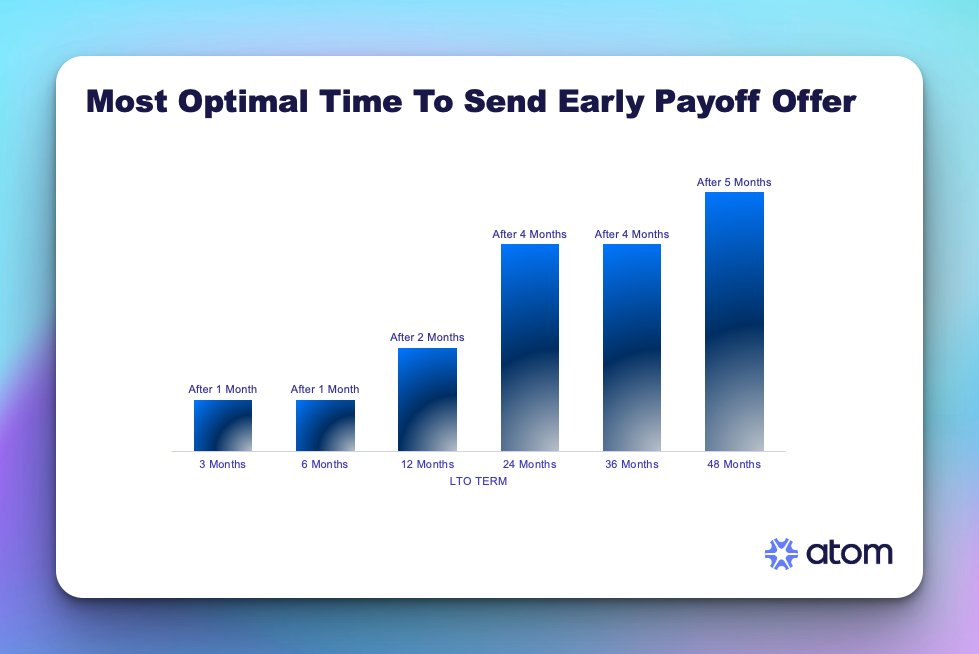
Timing is also key. To maximize the effectiveness of early payoff offers, you need to send them at the right time—early enough to be relevant, but not so early that the buyer isn’t ready to act. We analyzed the acceptance rate of early payoff offers, and the chart below shows the best times to send them based on the LTO duration.
3. Require Down Payments to Secure Commitment
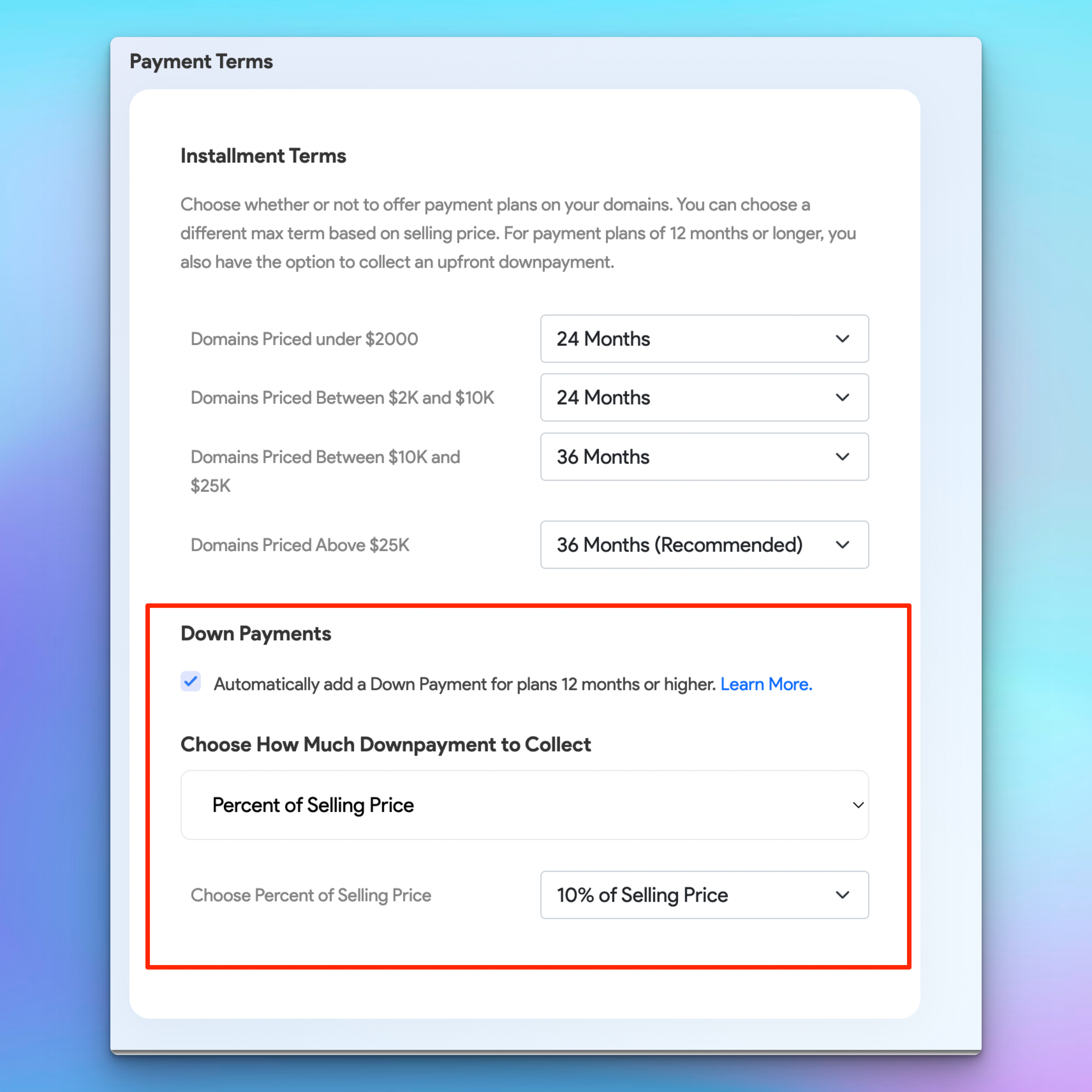
Longer payment plans are great for attracting buyers since they make domains more affordable with lower monthly payments. However, they come with a downside: weaker buyer commitment, which can lead to cancellations.
Requiring a reasonable down payment is an effective way to address this issue. It ensures buyers are financially invested in the transaction from the start, making them less likely to walk away. According to our data, domains with an upfront down payment saw cancellation rates drop from 23.5% to 17.5%.
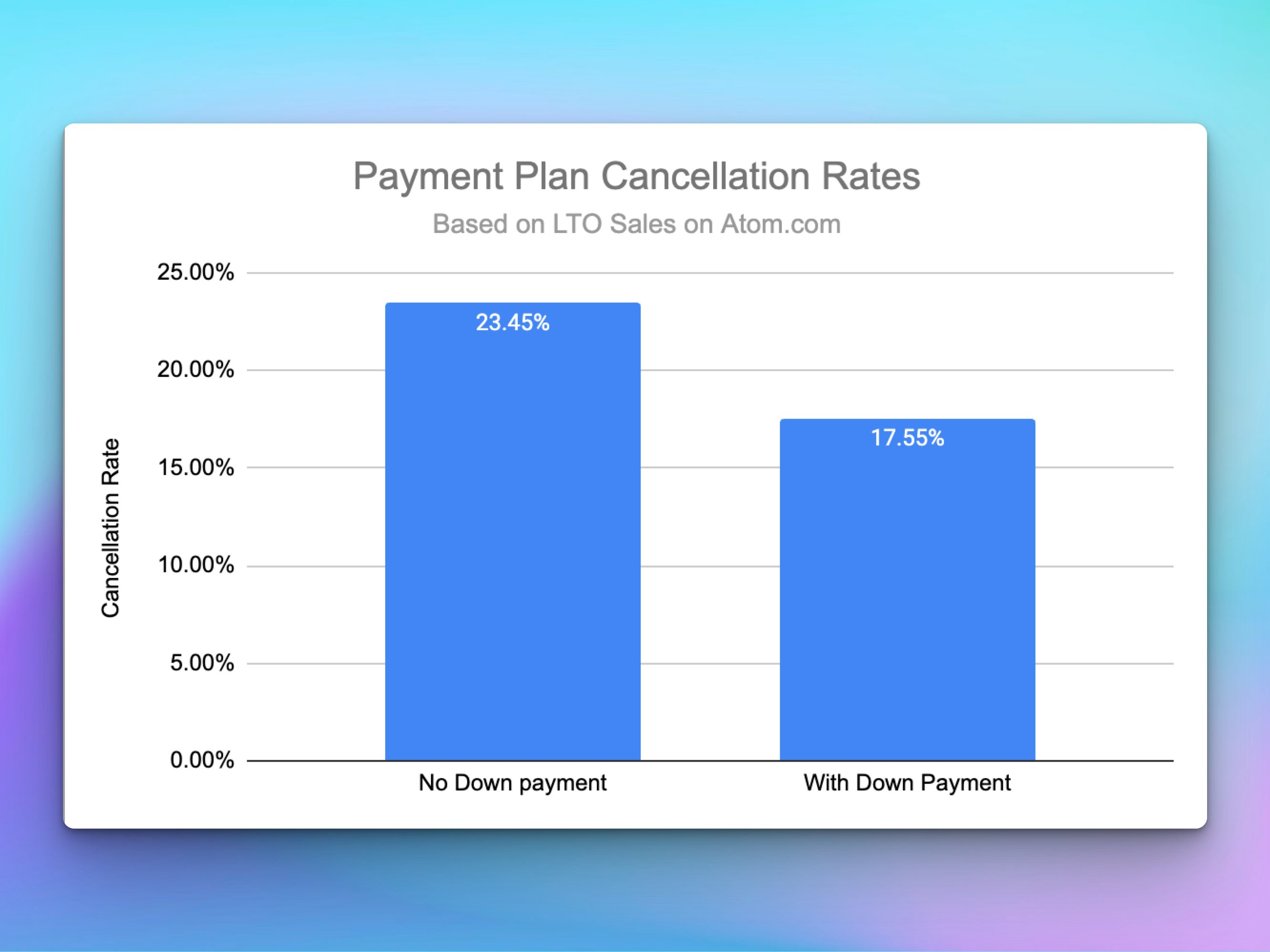
Even in cases where cancellations do occur, the upfront down payment allows you to retain a larger portion of the transaction. If you’re listing your domains on Atom, you can easily enable down payments for your entire portfolio and even customize the percentage you want to collect upfront
4. Avoid Mixing Make Offer with Buy It Now
If you’ve set a BIN price for your domain, avoid including a Make Offer option on the landing page. Doing so can undermine the perceived value of your domain. When buyers see a Make Offer option alongside a BIN price, they will immediately assume the BIN price isn’t real and believe they can get the domain for much less.
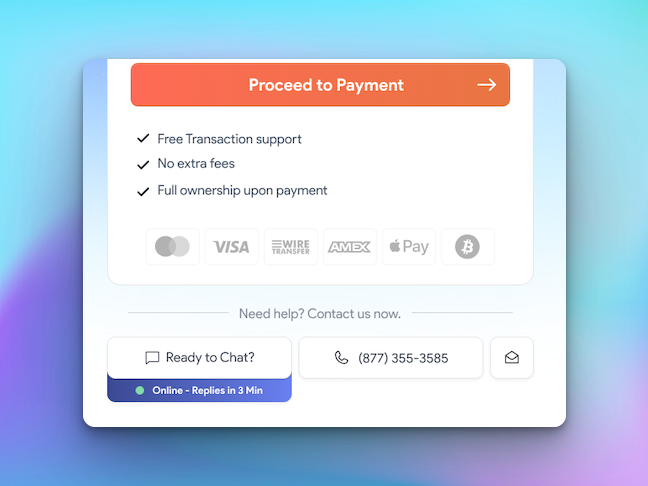
Instead, focus on using a landing page that encourages serious buyers to initiate contact. Many sellers think that adding a Make Offer option alongside BIN helps start a dialog with buyers who can’t afford the full price, but the truth is, if a buyer is genuinely interested, they’ll still reach out via email or chat—even if the Make Offer option isn’t visible.
By not explicitly displaying a Make Offer button, you stay in control of the negotiation process. Our upcoming landing page designs makes it even easier for buyers to contact us via chat by prominently displaying that they will get a response within minutes.
5. Stay Below Psychological Price Thresholds
Buyers often have strict budgets when shopping for domains. These limits might be set by their board, their credit card limit, or other constraints. Naturally, many buyers use price filters when browsing marketplaces. For example, a buyer might filter for domains priced under $5,000.
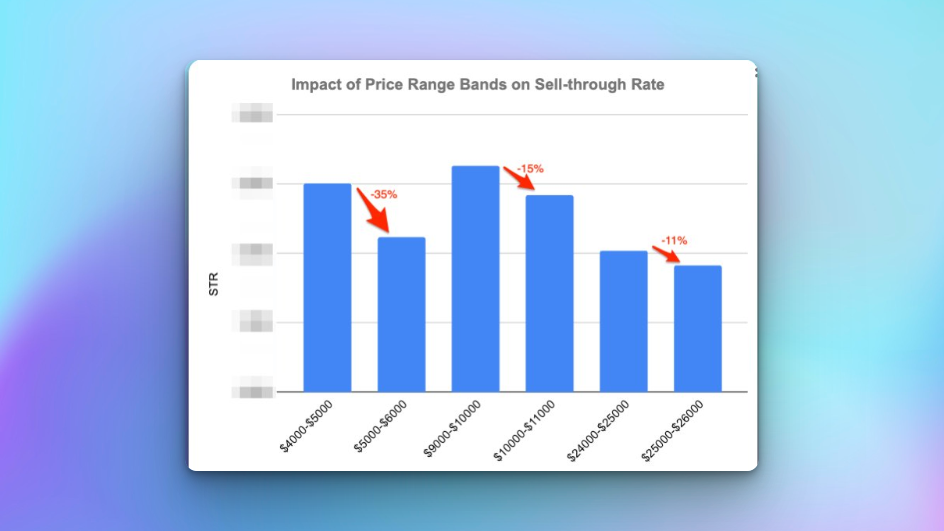
If your domain is priced at $5,100, you’re likely losing out on this entire group of potential buyers. By pricing your domain just below these hurdle levels—say, $4,895—you keep it within their range while maintaining its perceived value.
We’ve analyzed pricing across all listings on Atom.com and found that domains priced slightly above common thresholds tend to have lower sell-through rates. For example, domains priced in the $5,000–$6,000 range had a 35% lower STR compared to those in the $4,000–$5,000 range.
6. Track Developed Domains and Similar Websites
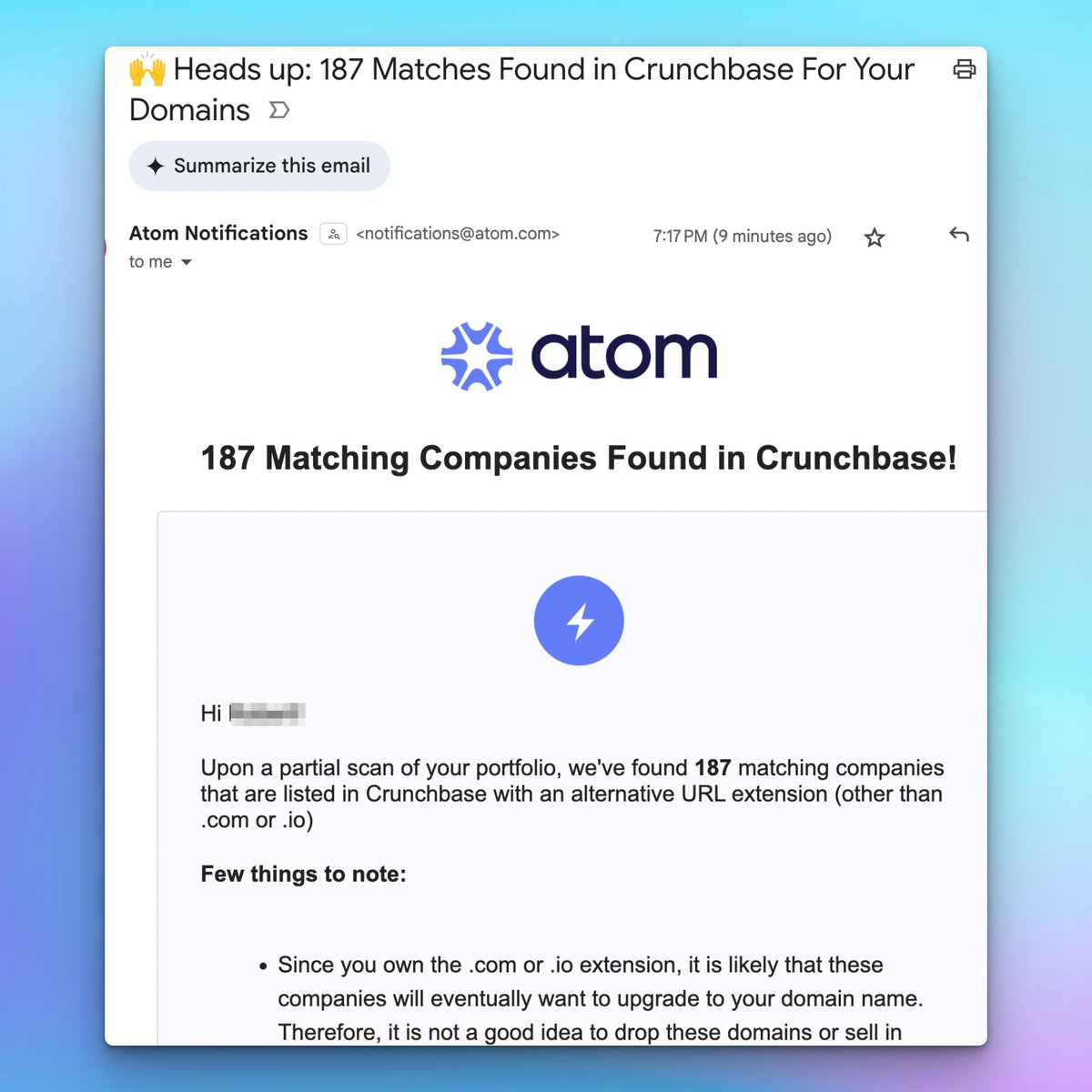
Knowing when other extensions for your domains are developed into active websites can provide invaluable insights. If a domain is developed in alternate extensions, it can help validate demand and guide future pricing decisions.
Manually tracking this data across a large portfolio isn’t practical. At Atom, we have built automated scanning tools that proactively scan developed websites and Crunchbase listings for all the domains in your portfolio. This allows sellers to stay informed at scale, without adding extra effort to your workflow.
7. Analyze Buyer Search Trends and Purchase Patterns
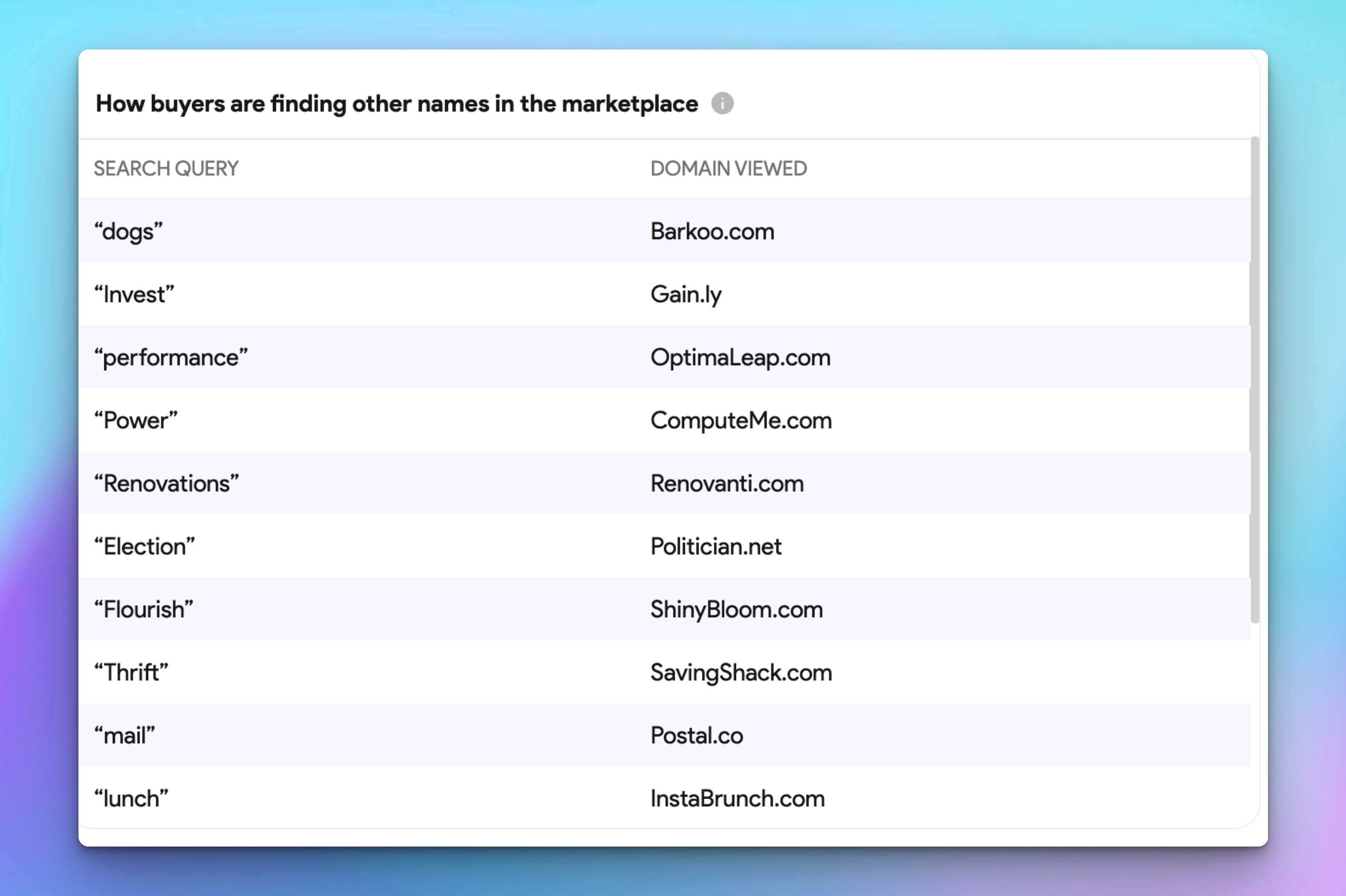
Understanding what buyers search for and what they ultimately purchase is critical for acquiring the right domains which have high likelihood of selling. Often times domain investors focus on acquiring domains with heavily used keywords like Crypto, Finance, Home. While there’s nothing inherently wrong with these keywords, they often drive up competition in auctions, making them more expensive to acquire.
On the other hand, interestingly, buyers tend to prefer more unique keywords which evoke emotions or metaphors related to the core idea. For example, buyers searching for “dating” keyword might gravitate toward evocative names with words like “love,” “heart,” or “fling” rather than explicit word “dating” in the name. By aligning your portfolio with these insights, you can not only acquire domains with less competition, this can also help improve the overall STR.
On Atom.com, you can access search data directly from your dashboard, making it easier to identify trends.
8. Ensure Your Landers Rank in Search Engines
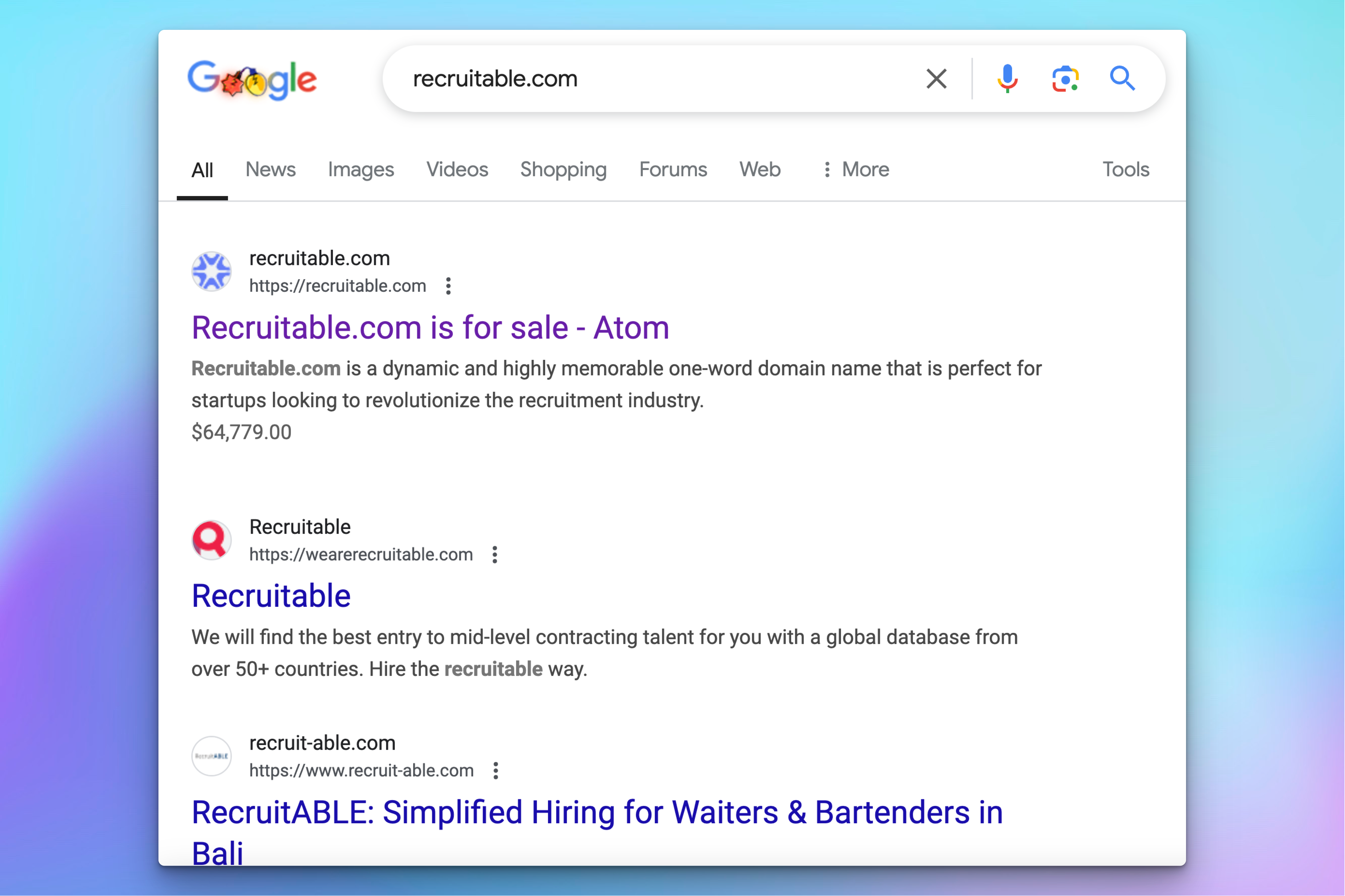
In today’s market, ensuring your domain landing pages rank well in Google search results is more important than ever. Buyer behavior is shifting—rather than typing a domain directly into the browser bar, many buyers now search for the domain name using a search engine.
If your for-sale lander doesn’t show up in those search results, it’s a lost opportunity. On the flip side, if your for-sale page ranks high—perhaps even higher than a real company using an alternative extension or a less desirable domain—it creates a powerful incentive for that company to upgrade. After all, their customers are likely seeing your domain for sale before they even find the company’s actual website.
9. Create Urgency with Scheduled Price Increases
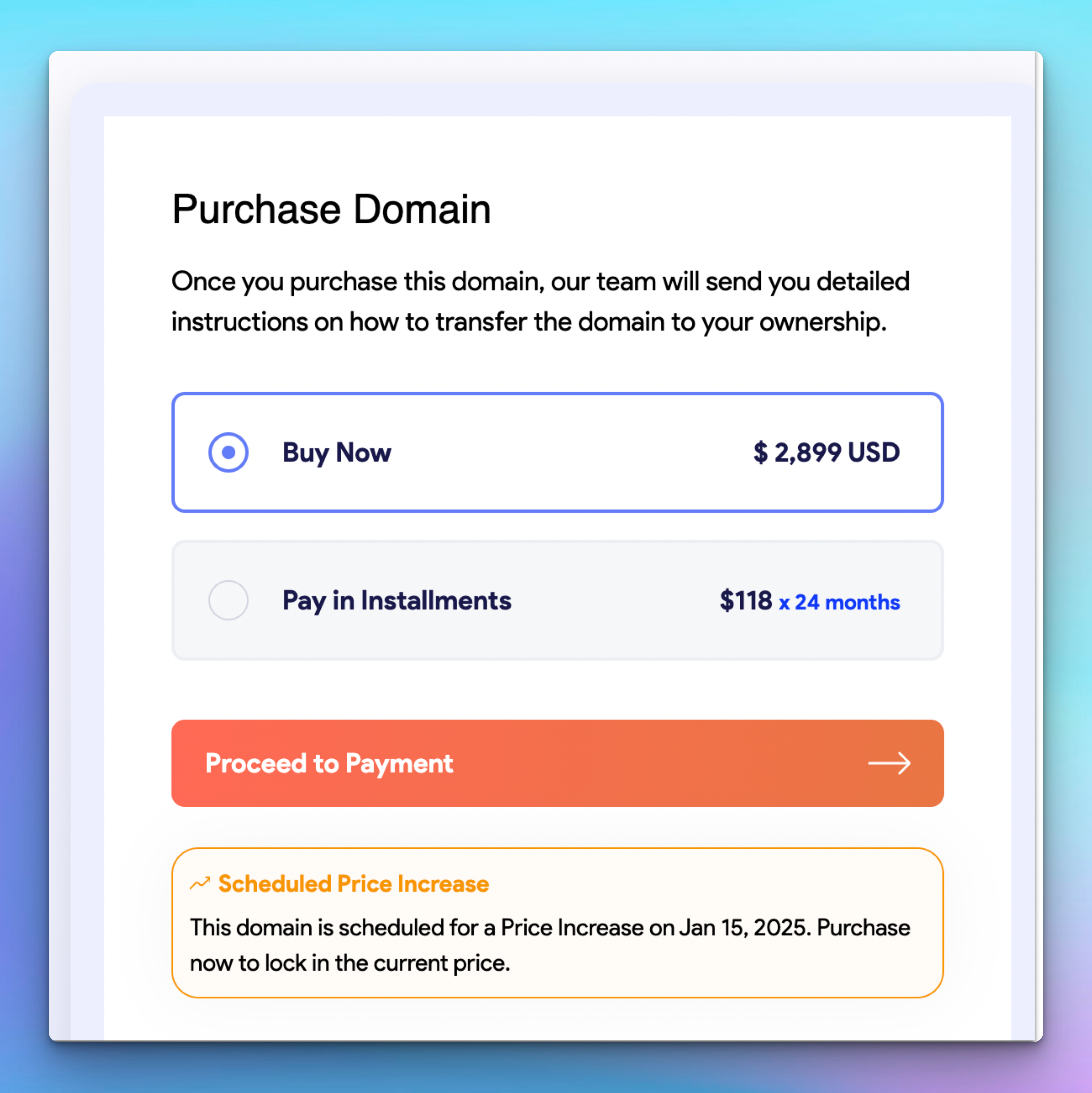
Creating a sense of urgency is one of the most effective ways to motivate buyers, and a scheduled price increase notice can do just that. Adding a message to your landing page indicating that the domain price will soon increase can encourage potential buyers to act quickly.
Interestingly, the notice of a price increase tends to drive higher STR than offering a discount. We have also automated this feature. If our system detects multiple repeat visits on a domain and identifies that its current market value should be higher than the listed price, it can automatically schedule a price increase after 30 days.
This approach avoids the sudden shock of a price jump after a buyer’s visit (which can erode trust) while still encouraging them to move forward before the price goes up. It’s a win-win that combines urgency with transparency to improve STR.
10. Take a Data-Driven Approach to Acquiring Domains
Many domain investors rely on intuition or experience when picking names for their portfolio, and that can work well if you’ve got a good eye for spotting hidden gems. But adding data and analytics into the mix can help you improve your sell-through rate (STR) and make more informed decisions.
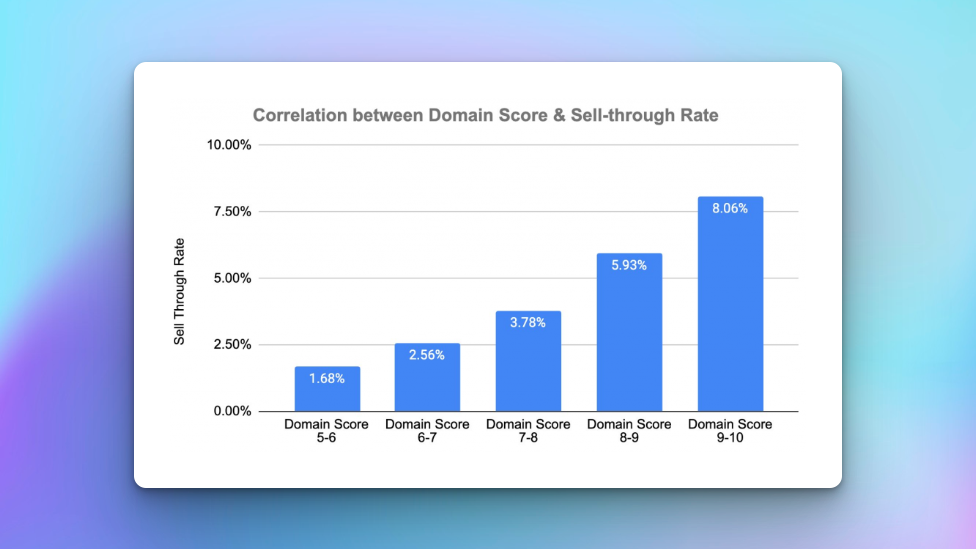
At Atom, we offer a domain insights tool that generates a score based on various signals tied to the domain. After extensive regression testing, we found a strong correlation between higher domain scores and better STR. For example, domains with a score of 7 or above generate better STR, based on back-tested sales data.
If you’re working through a large list of names, our free AI Grading tool can help streamline the process. The tool uses AI models which are trained to think like end users. It acts as a filter to weed out names that are less likely to resonate with buyers, saving time and effort.
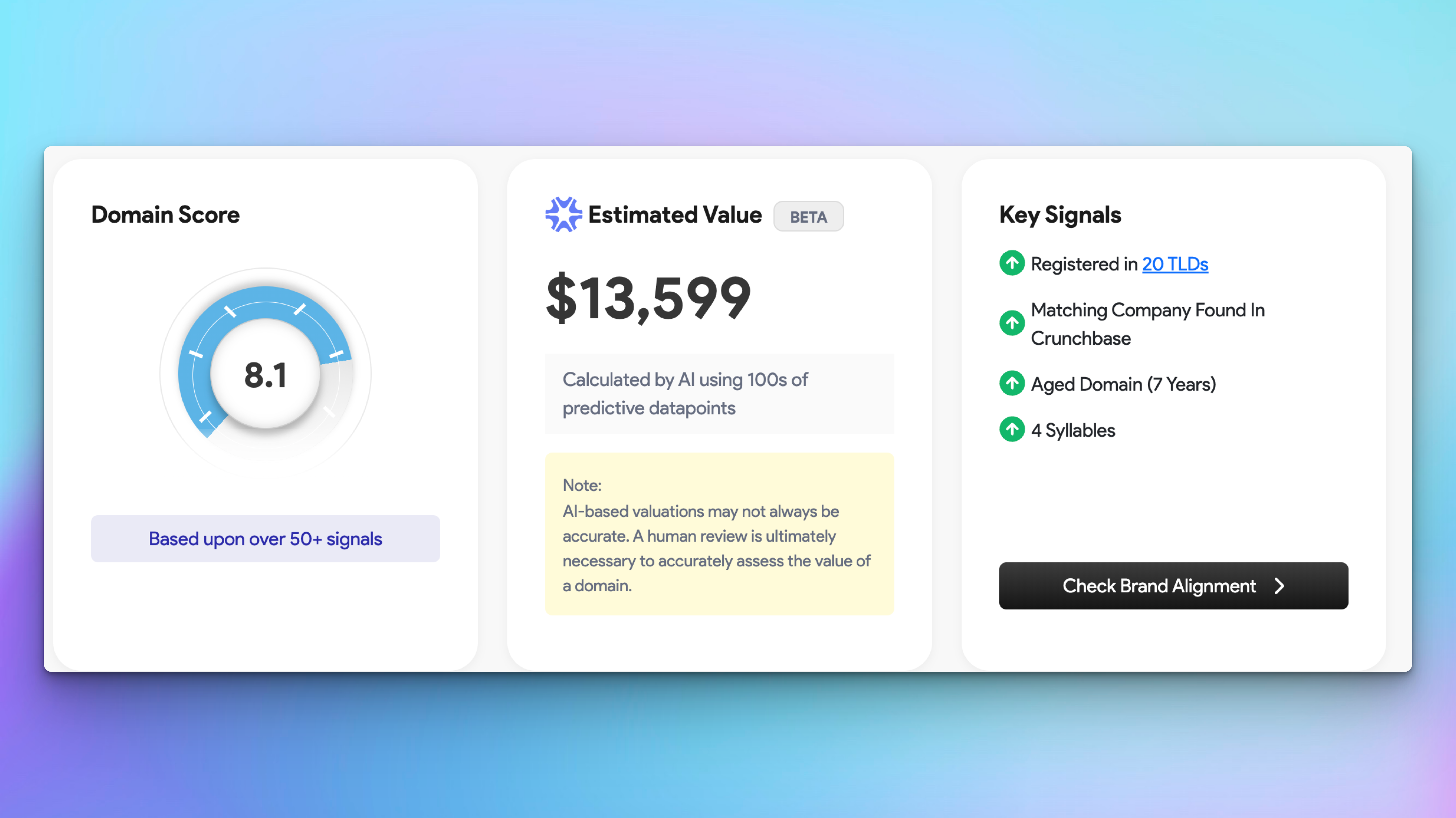
Of course, you don’t have to stick to just these tools. Any system that helps you screen domains using data and insights can make a big difference. Some investors use tools like OpenCorporates or LinkedIn to check for companies that might match a domain before buying. Others look for signals like how many TLDs are already taken in other extensions. The key is to integrate data into your process, however it works best for you, to increase the chances of success.
And remember, at the end of the day, your final filter should always be your own judgment: can you imagine an end user building their business or brand around this domain? If the answer is no, don’t let data alone dictate your decision. Trust your instincts, but back them up with the right data.
Final Thoughts
The Oakland A’s changed the game of baseball by relying on data to make smarter decisions. Similarly, using a data-driven approach in domain investing can help you make more informed choices, leading to better outcomes over time. While the impact of data-driven decisions on a single domain might seem small, consistently applying this approach across hundreds or thousands of domains can result in significant, measurable improvements to your portfolio’s performance. It’s about playing the long game and letting those incremental gains add up to something meaningful.