 Get Started


 Login
Login
 (877) 355-3585
 Chat
Chat Email
Email Help Desk


Bootstrapping a startup means building your business from the ground up using your own financial resources rather than seeking external investment or loans. Learning how to bootstrap a startup effectively requires entrepreneurs to be resourceful, strategic, and disciplined with limited capital.
Instead of chasing venture funding, bootstrapped founders focus on generating early revenue, keeping costs low, and gradually scaling as profits allow. This method not only preserves equity but often leads to more sustainable business models built on real customer demand rather than investor expectations.
Follow along as we break down proven bootstrapping strategies, share tactics for staying flexible during growth, and show how to position your business for long-term success—all while keeping financial risk to a minimum.
How to Bootstrap a Startup Successfully
Skip the funding rounds and pitch decks. Some of the most resilient businesses today started with nothing but determination and careful cash management. When you bootstrap, you’re the boss — no investors pressuring you toward unrealistic growth targets or questioning your instincts about what customers actually need.
You’ll face tougher decisions about spending and have to get creative with limited resources, but the tradeoff is the freedom to build exactly the company you want. These proven strategies have helped countless founders turn resource constraints into competitive advantages:
- Embrace the Lean Mindset
Start small and stay nimble. Test ideas with minimal viable products (MVPs) before building complex solutions. Cut unnecessary expenses ruthlessly—question every subscription, software package, and “essential” service. Use free tools when possible and negotiate everything else.
Work from home or shared spaces until private offices become essential. Track every dollar spent against the actual value delivered. The less you spend, the longer your runway lasts and the more freedom you maintain to pivot when needed.
- Know Your Purpose
When bootstrapping a startup, clarity about your purpose is essential. The good news is you don’t need deep pockets to define your brand’s foundation; you just need to ask the right questions. Start by getting specific about your customers. Who are they? What makes them different from everyone else? Understanding their unique challenges and desires gives you a roadmap for your business decisions.
Your brand’s personality matters too. Is it sleek and sophisticated? Practical and straightforward? Bold and innovative? This styling guides everything from your logo to your customer communications.
Consider the feelings you want to generate. What emotional response do you want when people interact with your product or service? Trust? Excitement? Relief? Security? These emotional connections often drive purchasing decisions more than features alone.
Not sure about some answers? That’s normal. Talk directly to potential customers or knowledgeable contacts in your space. Ask what’s missing from current options and how your skills might fill those gaps.
When you deeply understand your purpose, every dollar you spend works harder because it’s aligned with your core business identity.
- Invest Where It Counts
Bootstrapping doesn’t mean avoiding all expenses—it means spending wisely on things that deliver real value. The trick is recognizing which investments will actually move your business forward.
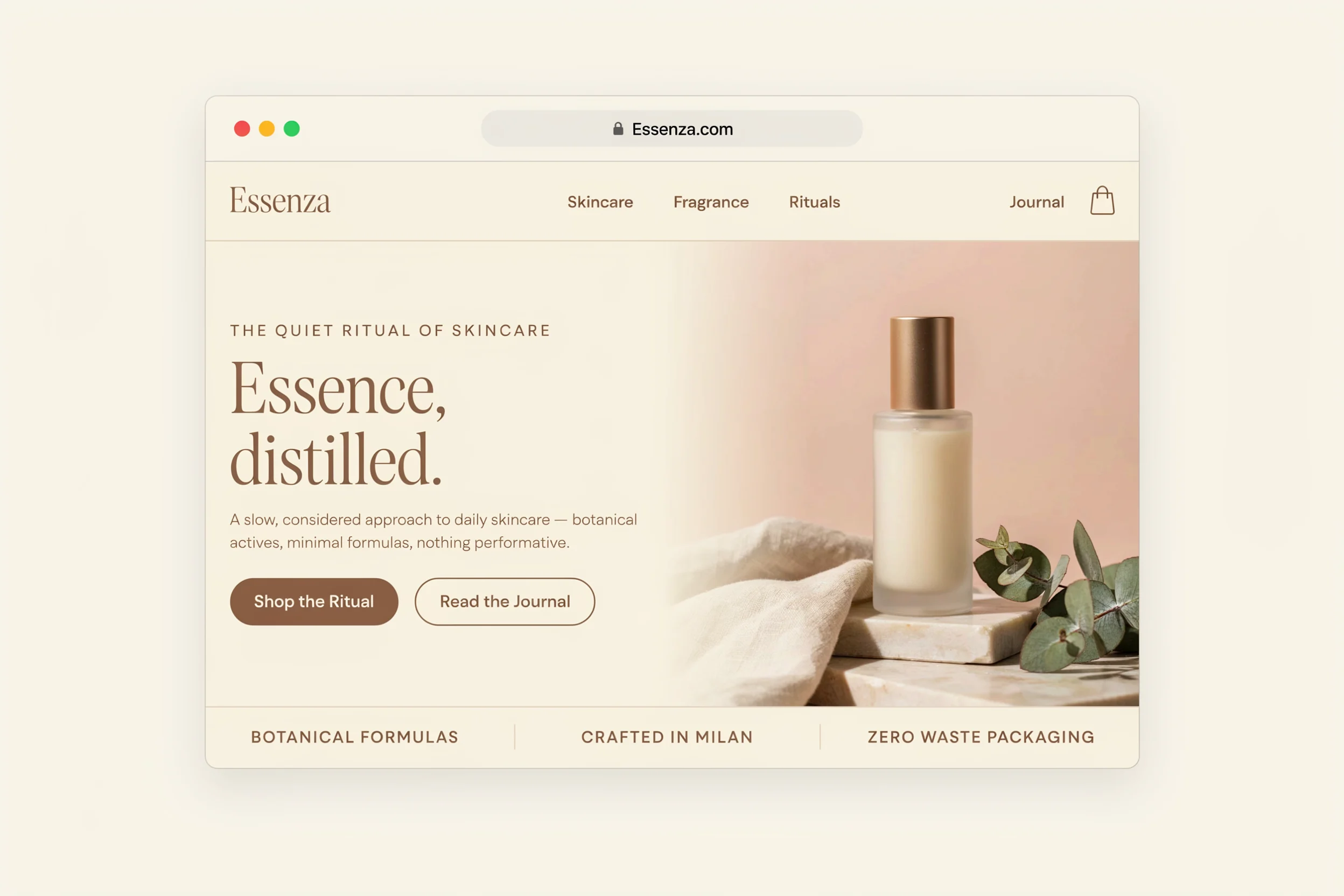
A powerful domain name is worth serious consideration. A short, memorable web address helps customers find and remember you. Domain investments have proven valuable for numerous bootstrappers. HubSpot’s Dharmesh Shah recognized the long-term value of Chat.com and secured it despite the cost. Similarly, Rocket Companies strengthened their identity by acquiring Rocket.com.
These founders understood that a premium domain isn’t just an expense—it’s an investment in brand recognition and accessibility.
Customer relationships deserve investment too. Identify which marketing channels bring in customers most efficiently and double down there. Simple retention efforts like personalized follow-ups often cost less than constantly chasing new business.
Strategic spending on brand elements pays dividends long-term. Your visual identity and customer experience form impressions that compound over time. BetterPic, for example, grew to $3M in revenue while bootstrapped showing how smart branding choices can lead to sustainable growth. While cutting corners might save money today, it can cost you credibility tomorrow.
When bootstrapping, question each expense: “Will this meaningfully improve my customer relationships, strengthen my brand, or generate more revenue?” If yes, it might be worth spending on—even with limited funds.
- Get Creative With Marketing
When you’re bootstrapping, you can’t throw money at marketing problems. You need smarter approaches that cost less but still reach the right people.
Content marketing paired with SEO works wonders for startups with more time than money. Creating helpful resources that answer customer questions brings traffic without ongoing ad costs. It takes patience, but the traffic keeps coming long after you’ve done the work.
Look for strategic collaborations with complementary businesses. A coffee subscription startup might partner with a bakery for joint promotions. You access their audience; they access yours. Nobody pays for advertising, yet both reach new customers.
Social media still offers organic reach if you’re genuinely interesting. Share behind-the-scenes looks, spotlight customer stories, or start conversations your audience cares about. Consistency matters more than fancy production.
Try unconventional tactics. Buffer gained early users by commenting helpfully in online communities. Dropbox grew through a clever referral program. These approaches cost little but spread quickly.
The best bootstrapped marketing doesn’t feel like marketing at all. It solves problems or creates connections while subtly introducing your brand. Budget constraints often lead to marketing approaches that work better than expensive alternatives.
- Pursue Growth Over Profit
Bootstrapping doesn’t mean obsessing over immediate profit. Early on, your primary goal should be sustainable growth that builds momentum. Many successful bootstrapped founders reinvest nearly everything back into their businesses during the first few years. Rather than focusing on profit, every cent is routed toward expanding their customer base or improving their product.
Growth compounds in ways that early profit-taking doesn’t. A dollar reinvested might return five dollars in future revenue, while a dollar pocketed remains just a dollar.
For example, Basecamp focused on steady, manageable growth rather than maximizing short-term profits. This approach enabled them to build a sustainable business without external funding pressure. After achieving consistent growth and market validation, gradually transitioning toward profitability makes sense. The timing varies by industry—SaaS companies might prioritize growth longer than service businesses.
Each growth milestone brings economies of scale, market credibility, and operational efficiencies that weren’t available at smaller sizes. These advantages eventually translate to stronger profits than you could have generated by optimizing for immediate returns.
Wrapping Up
Bootstrapping a business is about building something that solves real problems with the resources you already have. The founders who succeed without outside funding often create companies with stronger foundations, better customer relationships, and more sustainable business models than their venture-backed counterparts.
Your first moves matter when resources are limited. A premium domain name stands out as one of those rare startup investments that can actually appreciate while you use it. Unlike software subscriptions or office space, a strong domain builds credibility from day one and becomes more valuable as your company grows.
Browse our Premium Domain Marketplace for a collection of short, memorable domains that will help customers find and remember your business for years to come. Many successful bootstrapped companies started with nothing but a great domain and an idea. Yours could be next.