 Get Started


 Login
Login
 (877) 355-3585
 Chat
Chat Email
Email Help Desk

Have you ever wondered how new websites pop up overnight using brandable, established domain names you are 100% sure should have been purchased long ago?
Domain names that are so memorable and valuable, that you wonder how these new businesses acquired such an asset.
Enter domain leasing.
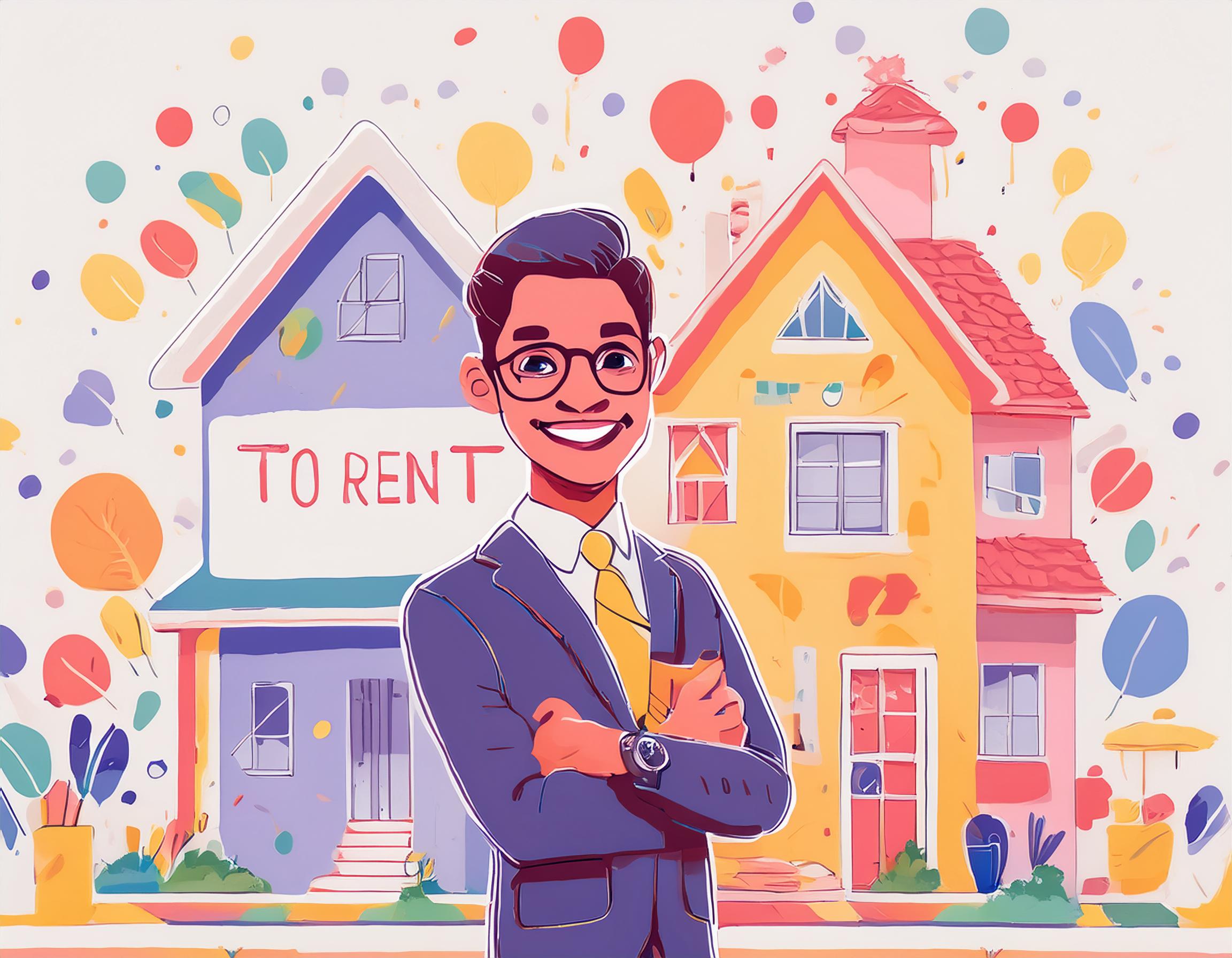
Leasing or renting a domain name allows website owners to temporarily leverage aged or brandable domain names to build online projects without the huge upfront costs or long-term commitment of an outright purchase.
Domain renting is a strategy for individuals and online businesses to launch online assets using high-value domains they couldn’t otherwise own. When businesses lease domain names instead of buying, it opens up opportunities that may have been unavailable or too cost-prohibitive.
But how exactly does renting a domain work, and what are the pros and cons compared to purchasing a domain outright?
Let’s jump right in!
What is Renting A Domain?
Domain name renting, also called domain leasing, occurs when the owner of a domain name rents it to another person or individual for a set period. This allows the renter to use the domain name without buying it outright and gives the domain owner a source of income.
Renting a domain name is similar to leasing real estate. The domain owner acts as the landlord, renting usage rights to the renter for an agreed-upon time — usually months or years.
During the rental period, the renter or “tenant” has full use and ownership of the domain for their website or project. Once the rental term expires, control and ownership returns to the original domain owner. Domain lease payments are usually made monthly or annually.
The flexibility of domain leasing allows businesses that are just starting out, chasing seasonal opportunities, or simply testing the waters on a new project to “test drive” domain names before fully committing resources.
How Does Domain Renting Work?
Domain renting is often used for premium domains that are too expensive for the renter to buy outright.
The domain owner and the renter make a rental agreement before the lease kicks in. There are four common ways domains get leased out:
- Periodic payments: The lessee pays a recurring fee, usually monthly, quarterly, or yearly, to rent the domain.
- Percentage of profit: The domain owner gets a cut of any profits the domain renter makes by using the leased domain name.
- Royalties: The renter pays the owner a fixed percentage of their total revenue for as long as the lease runs.
- Ownership percentage: The domain renter transfers a set percentage of equity in their company to the domain owner.
Once both parties agree to the rental terms, the domain owner will typically log into their domain name management portal with their registrar. From there, they’ll edit the domain’s DNS settings to point the domain at the renter’s server.
During the entire rental period, the domain name’s DNS will stay pointed at the domain renter’s server. This allows the renter to run their website using that leased domain name for as long as the rental tenure lasts, without accessing the domain registration portal.
However, when the rental agreement ends, the owner reverts the domain to point back at their own server. At that point, the renter loses the ability to use that domain.
Renting vs Buying a Domain
One key deciding factor when considering renting or buying a domain is how long you need to retain ownership rights.
When you buy a domain upfront, you have the right to use it indefinitely—as long as you continuously renew its registration with your registrar. Confusingly, this can also be described as “leasing” the domain from the registry, but anyone with the domain registration holds perpetual ownership of a domain.
However, when you rent a domain, you are leasing it directly from the person who bought it from a registrar and currently owns and controls the registration of that domain.
Rented domains usually have strict lease terms, ranging from a few months to one or two years at a time. After the lease expires, control of the domain reverts to its owner. The renter will need to negotiate a new contract if they want to continue using the domain.
For some businesses, projects, or ventures, renting a domain keeps operational costs lower and reduces risk since there’s no long-term commitment. From a financial standpoint, this makes more sense to some businesses than a long-term purchase.
Businesses testing new product ideas, side projects with an uncertain lifespan, and short-term marketing campaigns are use cases where renting a domain is better than buying. That said, note that leasing rather than buying a domain comes with ongoing costs and less long-term security.
On the other hand, buying a domain is more appropriate when you plan extensive, ongoing use of the domain name. An outright purchase offers long-term stability and control over the domain name. However, upfront purchase prices can be higher than starting with an initial rental term.
As stated earlier, the duration of your needs will likely be the single biggest deciding factor when deciding whether to rent or buy a domain name: are you launching a short-term project, or do you have a long-term vision?
Pros and Cons of Renting a Domain
As with everything else in life, renting a domain name comes with benefits and drawbacks to consider. Weighing the following pros and cons will help you determine if a rental arrangement is the right choice for your needs.
Pros
- Reduces upfront costs.
- Reduces operational burden and risk.
- Gives you access to premium domain names at a lower cost.
- May provide an opportunity to buy the domain in the future.
- Flexible short-term ownership for uncertain or time-bound projects.
Cons
- You lack ultimate ownership of the domain.
- You have less control over your web project than the domain’s owner.
- You lose out on the value the domain builds up over time due to the consistent traffic you generate.
- Ongoing costs of renting add up over time — possibly to more than an outright purchase.
- Dependence on the domain owner for any technical changes during the lease.
- Risk of price increases or loss of domain when lease expires.
How Much Does Renting a Domain Name Cost?
The cost of renting a domain varies depending on factors such as the TLD extension, age, popularity, length, keyword relevance, etc. of the domain name.
However, in general, domain monthly rental rates start around $10 – $15 per month for common generic top-level domains (gTLDs) like .com, .net, or .org where the domain is not in high demand. Prices could be significantly higher for unique names and popular or premium domains — figures could be in the hundreds or thousands of dollars per year range.
For lesser-used TLDs like .biz, .info, or unpopular country-code TLDs, expect to pay lower rental fees.
Beyond the standard recurrent fees, other costs like setup and administration fees may also apply with some domain owners. An example is a one-time activation charge of $15 – $30, which is quite common in the domain rental space.
Domain owners set their rental prices so contact the domain owner or rental agent for a precise rate.
Wrapping Up
Renting a domain name can be a cost-effective solution for certain short-term projects or in instances where the longevity of your project is in doubt. It saves money, provides flexibility, and reduces long-term risk compared to an outright purchase. However, leasing a domain gives you less control and security than you’d normally get with full domain ownership.
If you plan to enjoy security, long-term growth, or sustained growth in your business, buying a domain name is a better investment than renting one. Ensuring you fully own the web address of your growing business is critical.
If you’re looking to buy a premium high-quality domain that you can build into a powerful legacy brand, check out our Premium Domains Marketplace for affordably priced domain names.
Frequently Asked Questions About Renting a Domain
Can you buy a domain instead of renting?
Yes, you can purchase a domain name outright instead of renting one. Buying a domain allows you to own it permanently as long you continue to pay your recurrent domain renewal fee.
What is a lease-to-own domain?
A lease-to-own domain is similar to a rent-to-own car payment. You rent a domain for a set period, with the option to purchase full ownership by a specific date or after making a specified number of payments.
How do I permanently own a domain?
You can permanently own a domain name by purchasing the initial registration from a registrar or our Marketplace. As long as you pay your annual domain renewal fees to the domain registrar, you will maintain ownership rights in perpetuity.