 Get Started


 Login
Login
 (877) 355-3585
 Chat
Chat Email
Email Help Desk

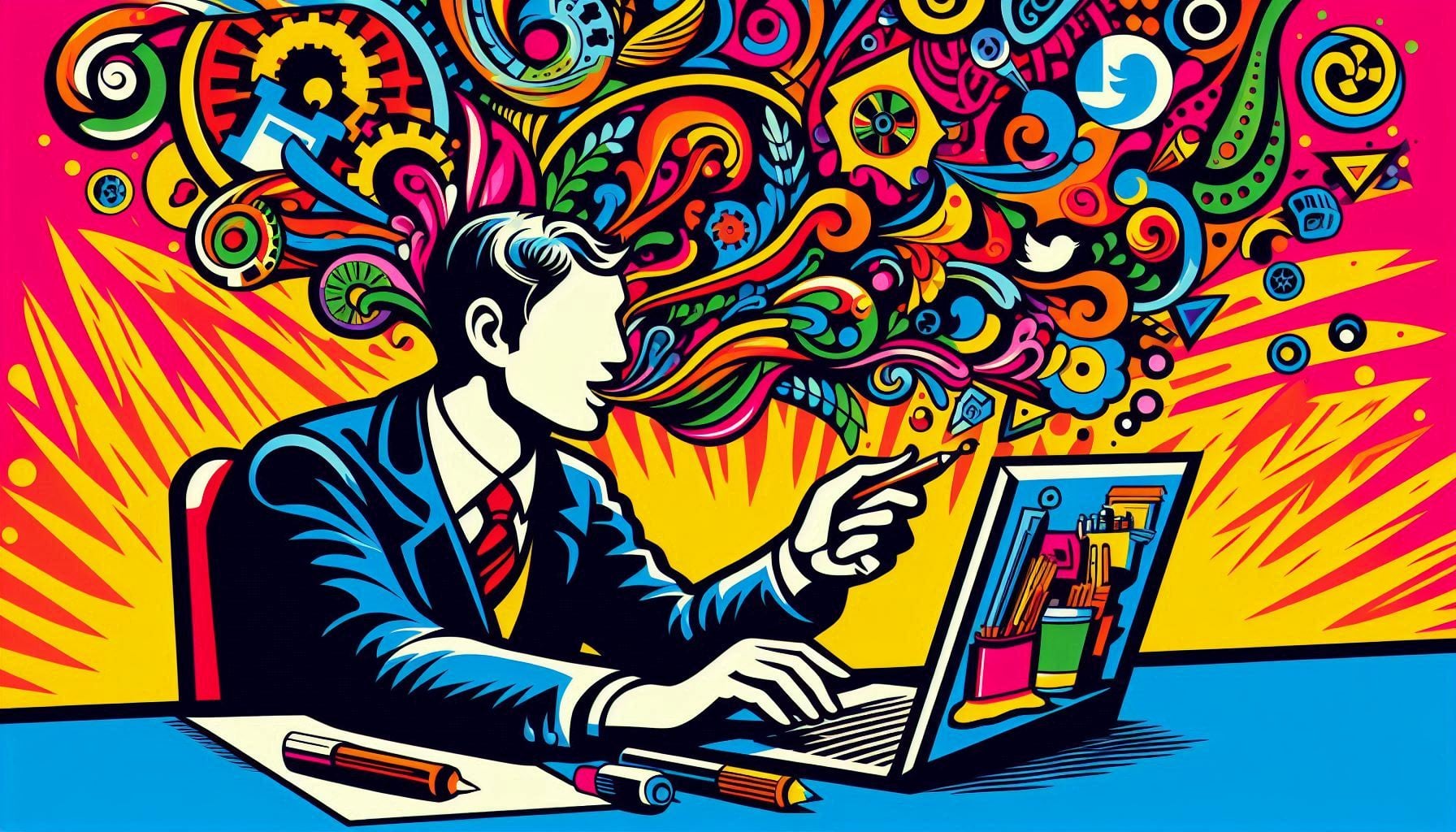
Brand recognition is what every marketer dreams of. It creates an instant connection between a company and its target audience. It’s that moment when someone thinks of running shoes and immediately pictures your logo or when they need a ride, and your app is the first one they tap.
But brand recognition isn’t just about being well-known. It’s about being known for the right reasons. It’s the trust that comes with familiarity, the confidence in quality, and the emotional connection that keeps customers coming back.
For businesses, this translates into customer loyalty, word-of-mouth recommendations, and, often, the ability to command premium prices.
Think about it — if you’re in a foreign country and spot a Starbucks, you’ll probably feel a sense of relief. You know what you’re getting, even if you can’t read the local language. That’s the power of brand recognition at work.
But how do you build this kind of recognition? Follow closely as we dissect brand recognition and explain how it can help your company stay top-of-mind.
What is Brand Recognition
Brand recognition is the ability of consumers to correctly identify a company or its products and services from its packaging, logo, tagline, jingle, or other forms of advertisement. It’s a key concept in advertising and marketing. A company has high brand recognition if people can easily recognize it through its identifying features alone.
Sure, having a memorable logo or catchy slogan is important. But you must also be consistent, improve quality, and create a solid connection with your audience. This includes customer interactions, website design, and overall visual identity. When done effectively, these elements can help you create a unique identity that resonates with people.
What are the Elements of Brand Recognition?
If you want to create any form of brand recognition you should realize that it doesn’t happen by chance. It’s built on several key elements that work together to make your brand stick in people’s minds. These elements turn your company from a name into something people know and trust.
Logo
A great logo has the power to stick in people’s minds, becoming an instant reminder of your products or services whenever they come across it. Just think about those golden arches or swoosh designs. You don’t need to see the company name to know who they represent and what they offer.
Tagline
A tagline is your company’s catchy one-liner that summarizes what you’re all about in one phrase. Think “Just Do It” or “I’m Lovin’ It” and how quickly those catchphrases form images of specific brands in your mind.
Color palette
A company’s color palette sets the tone and evokes specific emotions. Be it the calming blue of Facebook or the energetic red of Coca-Cola, using the right colors can make your brand instantly recognizable and help it stand out in a crowded market.
Product packaging
Product packaging is your brand’s fashion statement. It catches the eye of your target audience and makes your product stand out on the shelf.
A good package design can become so iconic that customers can easily spot your product from across the store. Think of those famous red cans or that little blue box from Tiffany’s.
Great packaging doesn’t just make your product look fabulous. It tells your brand’s story and can turn those unboxing moments into experiences customers look forward to.
Jingles and sonic branding
As music trends evolve, jingles and sonic branding remain catchy tunes or sounds that stick and continuously play in people’s minds long after they’ve heard them. Think about how quickly you recognize the Netflix “ta-dum” or the classic “I’m lovin’ it” melody. That’s the power of sonic branding.
These audio cues can trigger instant brand recognition and specific feelings even when people can’t see your logo or products. This makes them a powerful tool when it comes to brand recognition.
Brand Recognitions vs. Brand Awareness
You’ve probably heard the terms “brand recognition” and “brand awareness” thrown around in marketing conversations. While they might sound similar, they’re different. Both are important, but each tells a different story about how people connect with your brand. Let’s break down what sets these two concepts apart….
Brand awareness is the background knowledge that a brand exists, while brand recognition is how consumers recognize your brand assets.
Think of brand awareness as knowing that a pizza outlet exists in your town, while brand recognition is the ability to spot that pizza shop’s logo from a distance. Brand awareness is about familiarity. It’s the “Oh yeah, I’ve heard of them” moment, while brand recognition is the “That’s definitely them!” reaction, a reaction that’s accompanied by the memory of baked dough and melted cheese, if you’ve built a powerful brand identity.
Brand awareness casts a wide net, introducing your brand to potential customers. Brand recognition, on the other hand, is more focused. It involves creating spectacular brand elements that stick in people’s minds and make your business instantly recognizable.
While brand awareness gets you noticed, recognition keeps you remembered. As a business, your goal is to have both. You want to be a brand that people know exists and can quickly identify in a heartbeat.
Why does Brand Recognition Help Businesses?
Brand recognition isn’t just a buzz marketing word. It’s a powerful tool that can give your business an edge in the marketplace. Customers who can easily recognize your brand are more likely to choose you over alternatives. This familiarity breeds trust and leads to loyalty.
Strong brand recognition can also supercharge your marketing efforts. When people already recognize your brand assets, your ad campaigns will hit harder and faster. Why? Because your ads will speak to a warm audience instead of total strangers.
This immediate impact can significantly lower customer acquisition costs and boost your marketing campaign’s ROI. Instead of starting from scratch with each ad campaign, you’re building on an already established foundation of recognition and trust.
Studies have shown that 80% of consumers forget most brand content (including ads) after just three days of engaging with it. Shocking, right? But here’s where brand recognition steps in. When your brand is easily identifiable, it cuts through the noise and sticks in people’s minds. Your logo, colors, or tagline can make consumers recall your brand even when the specifics of your ad are forgotten.
This staying power is crucial in a world where consumers are bombarded with thousands of ads and marketing messages daily.
Strong brand recognition turns that fleeting recall into a lasting impression, keeping your business top-of-mind when customers are ready to purchase.
Wrapping Up
Building brand recognition is not just about paying for a cool logo design or a catchy jingle. It’s about intentionally crafting an identity that resonates with your audience. To successfully build brand recognition, you must ensure all your brand elements work together to create a lasting impression. Being recognizable is the key to survival and growth in a saturated market.
As you build your brand, consider how each element can work harder for you. A robust and consistent brand presence lays the foundation for quick and long-term brand recognition. Ready to take your new or existing brand to the next level? Then, get your name right. A great name and domain are often the first step in building strong brand recognition. Check out our marketplace to find the perfect, memorable name for your business.