 Get Started


 Login
Login
 (877) 355-3585
 Chat
Chat Email
Email Help Desk

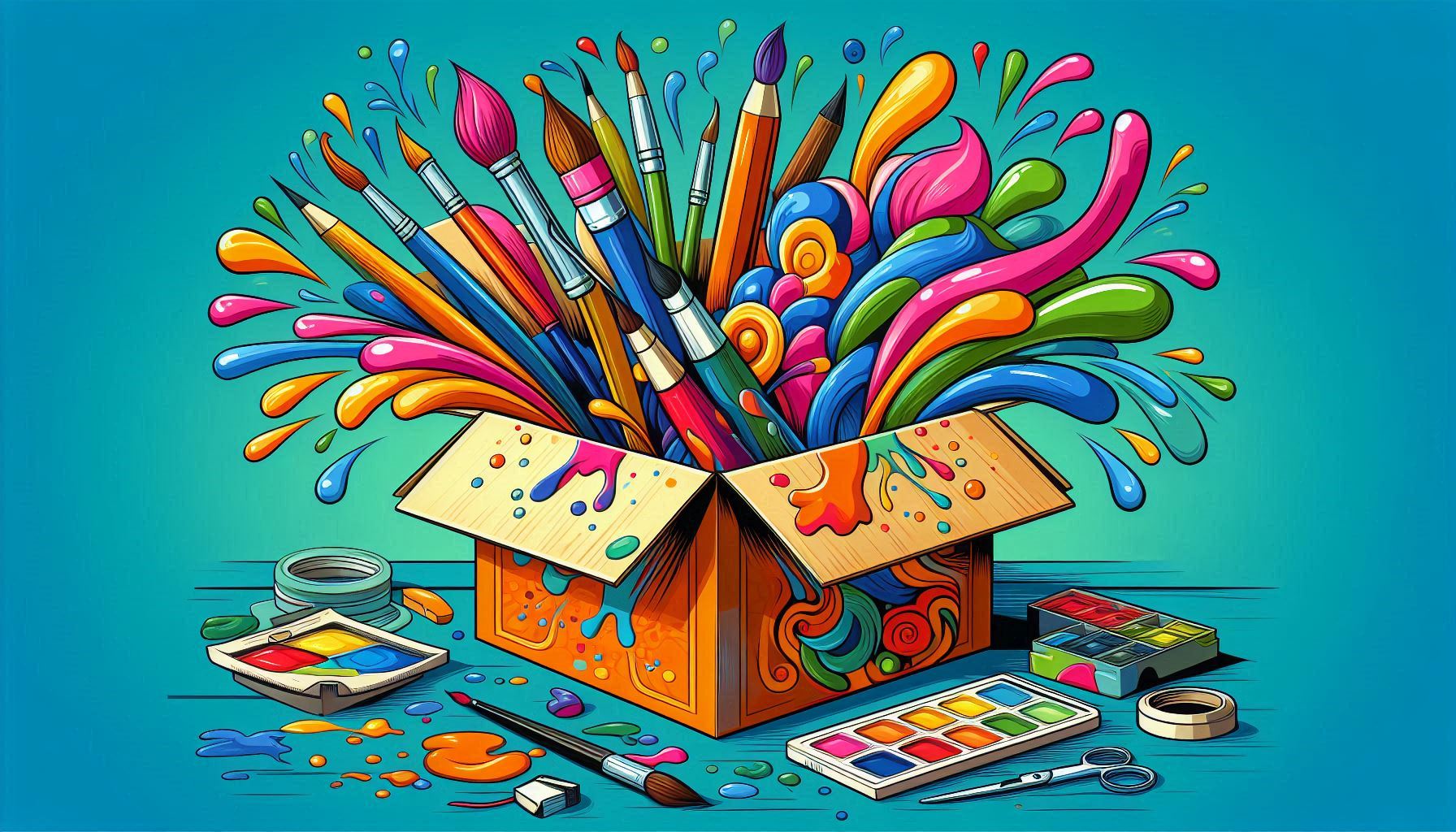
Every successful brand name we recognize today started as a blank slate on someone’s notepad. Nike came from the annals of mythology, Amazon symbolized a forest, and Google spawned from a mathematical term. These names, now worth billions in brand value, prove that names can transcend their humble origins.
Your name speaks before you do. Plain names get lost in searches. Weird ones scare people away. You want a name that feels right the first time someone hears it, yet still stands out from competitors offering similar goods or services.
We’ll break down the essential qualities of strong business names, then walk through a practical process to create your own.
What Makes a Good Business Name?
Creating a strong business name takes more than just creative wordplay. Let’s examine the essential qualities that separate forgettable names from the ones that become household brands.
Unique
In competitive markets, a unique name helps establish a clear identity. To find that perfect name, you should…
- Analyze competitor names: Study what others in your industry use. Notice patterns to avoid and find opportunities to differentiate.
- Try unexpected word combinations: Pairing words from different contexts creates memorable names. Dropbox merged a physical action with an object, creating something intuitive yet fresh.
- Choose suggestive over descriptive: “Apple” suggests simplicity without directly describing computers. This approach provides more uniqueness than straightforward names like “Quick Computer Repair.”
- Look beyond your industry: If you’re a tech company, maybe skip adding “tech” to your name – there are already thousands of those. Instead, look at how names like Stripe and Square stand out in the payment processing space.
When analyzing your market, note industry-specific naming trends. Legal firms often use partner surnames, while tech companies frequently choose invented words. Finding the space between convention and innovation gives you room to create something both appropriate and distinctive.
Memorable
A memorable business name easily sticks in customers’ minds, directly boosting brand recognition and word-of-mouth potential. To make your business name memorable.
- Keep it concise: Successful business names typically contain one to three words. Twitter, Nike, and Starbucks all benefit from brevity.
- Use sound patterns: Names with alliteration (Coca-Cola), rhyme (StubHub), or assonance (Best Buy) create audio hooks in memory.
- Leverage imagery: Names that evoke clear mental images are more memorable than abstract concepts. For example, “Blue Bottle Coffee” triggers specific visual associations that aid recall.
Our brains remember things that have patterns, create feelings or stand out. Good names also create mental connections that help people remember them fast.
Easy to pronounce and spell
If customers have to ask “how do you spell that?” or stumble over pronunciation, you’re creating unnecessary friction. Names like Zoom and Slack work because they’re instantly clear to everyone.
Relevant to your brand
Your name should hint at what you do or stand for. Tesla honors the pioneering electrical engineer, perfectly fitting for an electric car company. But relevance doesn’t mean being literal – Apple sells computers, not fruit, but the name’s deeper metaphorical symbolism made it the perfect choice.
Scalable
A name too specific can become a constraint. Amazon didn’t limit itself to “OnlineBooks.com” — they chose a name that could grow beyond retail. Your name should leave room for expansion into new products or markets.
Legally available
The perfect name isn’t perfect if someone else owns it. Run thorough trademark searches before settling on a name. Dropbox had to buy their domain from another company – an expensive but necessary move.
Domain Availability
Domain names are the real estate of the internet, and a business name isn’t any good if you’ve nowhere to show it off. Most brands should aim for an exact match domain — their business name plus a proven extension such as .com, .ai, or .io. Ensure your shortlisted business names have available domains.
How to Come up With a Good Business Name
Ready to name your business? Let’s turn those ideas into something concrete with these practical steps.
Understand Your Brand and USP
Start with the basics — what makes your business different? Write down your core values, target audience, and unique selling points. Spotify combined “spot” and “identify” to hint at finding and playing music. Lego came from “leg godt,” Danish for “play well.” Your name can spring from meaningful connections to your business purpose.
Use a Business Name Generator
Business name generators can spark ideas when you’re stuck. Tools like the Atom Business Name Generator use AI to create combinations based on the keywords you provide. While these suggestions rarely work perfectly as-is, they often lead to better ideas.
Input words related to your industry, values, or unique angle. Mix and match the results. Tweak spellings. Keep a list of names that resonate, even if they’re not quite right – they might inspire the perfect one.
These generators work best when you feed them specific details about your business. Instead of inputting “food delivery,” try combinations like “fresh + local + meals” or “quick + healthy + kitchen.” This targeted approach yields more relevant suggestions.
Wrapping Up
Your business name sets expectations, creates first impressions, and shapes how people talk about your brand. The right name opens doors — making marketing easier, attracting customers, and building trust before you make your pitch. Take time with this decision. Test potential names with friends, family, and strangers. Say them out loud. Write them down. Sleep on them.
The perfect name needs the perfect domain to match. Skip the frustrating back-and-forth with domain registrars and current owners. Browse our Premium Domain Marketplace for a curated collection of premium domains. These domains are ready to own right now, letting you launch your brand without compromise or delay.