 Get Started


 Login
Login
 (877) 355-3585
 Chat
Chat Email
Email Help Desk

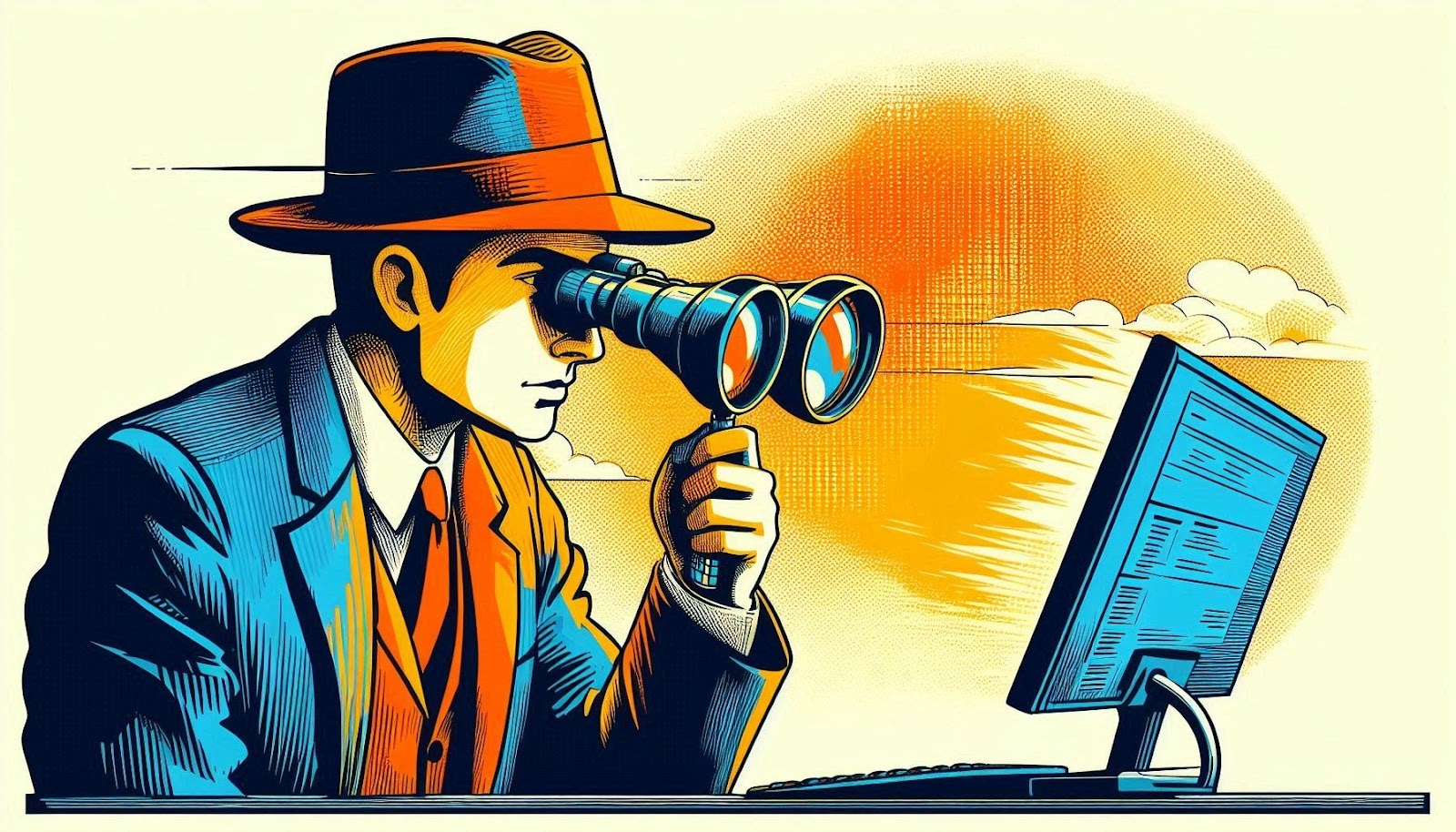
Remember what vanished alongside the dial-up internet and flip phones? The good old phone book. But to date, the internet still needs its own directory — not for finding pizza joints and plumbers, but for tracking down who owns the millions of websites we visit daily.
Every domain name creates a paper trail, well, its own digital version. I am talking solid documentation of ownership, purchase dates, and contact details, all stored in a central WHOIS database. When trademark violations or suspicious websites multiply overnight, investigators and legal teams know WHOIS records are their first stop for answers.
But what is WHOIS and what is it used for? Think of it as the DMV of domain names — minus the soul-crushing lines and harsh fluorescent lighting. Sure, many website owners now hide behind privacy shields (who wouldn’t, in today’s wild internet?). However, when you must know who owns a domain name, this database remains the gold standard for verification of domain ownership.
What is WHOIS?
WHOIS is a publicly accessible database that reveals domain name ownership and contact information. It’s regulated by ICANN — the Internet Corporation for Assigned Names and Numbers — a nonprofit organization that coordinates, regulates, and manages the entire domain name system.
The database serves as the internet’s official record keeper, storing key details whenever someone registers a domain name. These records typically include the owner’s name, email address, phone number, and physical address. While many domain owners now use privacy services to shield their information (and understandably so), WHOIS continues to track domain ownership, even when they hide records behind privacy screens.
This transparency helps maintain online accountability, making it possible to identify website owners when needed – whether for business opportunities, legal matters, or security concerns.
What is WHOIS Used For?
People use WHOIS lookup for all sorts of reasons. Law firms rely on it to track down trademark infringers or investigate copyright claims. Cybersecurity teams check it to identify suspicious websites or track potential scams.
But it’s not just about security and legal issues. Website developers and domain brokers check WHOIS to determine if a domain might be available for purchase soon. Businesses use it for due diligence before major deals. And if you’re trying to buy or sell a domain name? WHOIS helps verify you’re dealing with the actual owner.
The WHOIS database is also helpful for simpler tasks — from contacting website owners about broken links to asking about business opportunities. Network administrators turn to it for technical troubleshooting, and fraud investigators use it to build cases. WHOIS often provides the first crucial lead, whether tracking cybercriminals or searching for available domain names.
Why is WHOIS Important in 2025
Despite the rise of privacy protection services and social media profiles, WHOIS remains critical in 2025. With online scams growing more sophisticated and cyber threats evolving, having a reliable way to verify website ownership is more important than ever.
While many domain owners now shield their personal information using privacy protection, WHOIS still provides the official paper trail needed when legal issues or security threats arise. It’s valuable for cybersecurity teams battling phishing sites and businesses facing trademark violations.
The system also plays a vital role in the domain name marketplace. With premium domain names sometimes selling for millions, buyers need a trusted source to verify ownership. WHOIS continues to serve this function, helping legitimate buyers and sellers connect while reducing the risk of domain-related fraud.
In a time when online anonymity often shields bad actors, WHOIS maintains a baseline of accountability on the internet. From resolving disputes to investigating cyber crimes and facilitating domain sales, this decades-old system is a critical online resource.
How to Look Up a Domain with WHOIS
Accessing domain information through WHOIS is straightforward. You can use free WHOIS lookup tools online, including ICANN’s official lookup tool, domain registrar websites or dedicated solutions like the WHOIS lookup tool by Atom.
Enter the domain name you want to research (such as “example.com”) and hit search. The tool will pull up whatever public information is available about that domain, though you might find some details hidden behind privacy protection.
If you’re using Windows, you can also use the command prompt. Type “whois” followed by the domain name. Mac and Linux users can do the same thing in Terminal. Keep in mind that different registrars might show slightly different information, so checking multiple sources sometimes helps get a more complete picture.
Most basic WHOIS searches are free, though some services offer premium features like bulk lookups or monitoring. Remember that just because information is hidden behind privacy protection doesn’t mean the domain isn’t legitimate. These days, it’s common for domain owners to shield their personal details.
Wrapping Up
WHOIS has proven to be very useful since the early days of the internet. Despite privacy concerns and the evolution of the internet, it continues to serve as a critical tool for business owners, cybersecurity professionals, and legal teams.
Its straightforward approach to domain ownership verification helps maintain transparency and accountability across the web, proving just as helpful in 2025 as in the internet’s early days.
From tracking cyber threats to exploring business opportunities or investigating website ownership, WHOIS remains an invaluable resource. And if you’re in the market for a premium domain name, check out our Premium Domain Marketplace for carefully curated high-value domains — each verified through WHOIS so you can transact with peace of mind.