 Get Started


 Login
Login
 (877) 355-3585
 Chat
Chat Email
Email Help Desk

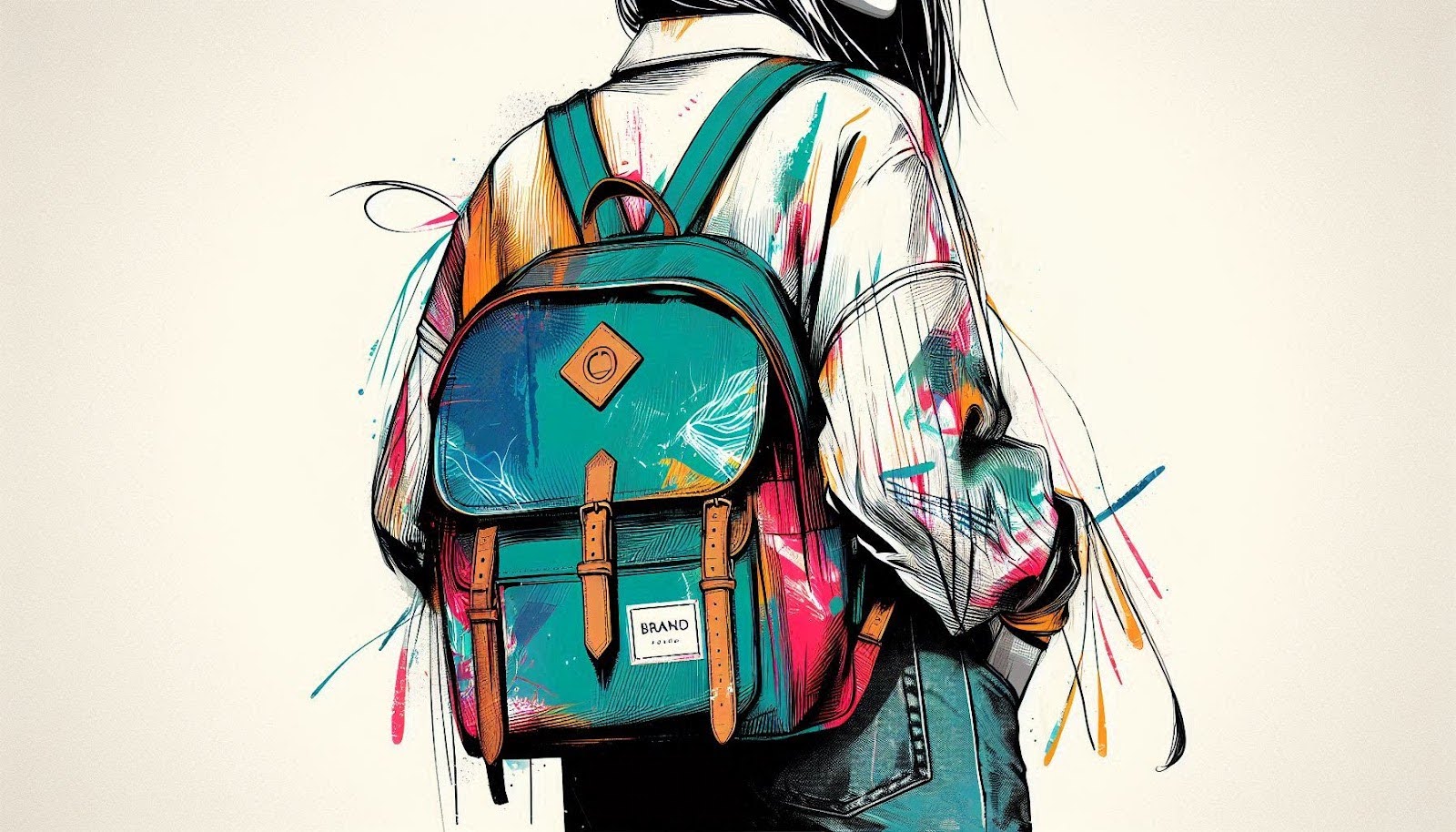
From Spider-Man backpacks to Ferrari-branded laptops, brand licensing is everywhere. It’s a business strategy that turns familiar logos and beloved characters into must-have products across industries. But what is brand licensing, and how does brand licensing work?
Brand licensing is a strategic alliance. It’s not just about plastering popular images on random items. Instead, it’s a calculated move where brand owners team up with manufacturers to create new revenue streams and tap into fresh markets.
Whether you’re a business owner looking to expand or just a curious consumer, understanding brand licensing can reveal insights about the products we buy. It will also shed light on the marketing tactics that influence our choices. Let’s break down this complex business model and understand how it operates.
What is Brand Licensing?
Brand licensing is when one company (the brand owner) permits another company to use its trademarked property. This “property” can include the brand’s name, logo, characters, or other copyrighted materials that make the brand recognizable.
Think of it like lending your coolest sneakers to a friend. You still own the sneakers, but your friend gets to wear them for a while, and benefits from being seen around town in his flash new footwear. In the business world, this “lending” isn’t free. The company using the brand usually pays for the privilege.
This deal can cover all sorts of things: a cartoon character appearing on a lunchbox, a sports team’s logo on a hat, or even a famous chef’s name on a line of cookware. The brand owner keeps control of the brand, while the other company uses that brand’s popularity to sell products. It’s a way for both sides to make more money and reach new customers.
How Does Brand Licensing Work?
Brand licensing is a straightforward process with a few key steps. Here’s how it typically works:
A company with a famous brand — let’s say a hit TV show — wants to expand. They become the licensors, ready to let others use their brand.
They partner with a company that makes and sells specific products, like t-shirts. This company becomes the licensee, eager to use the famous brand to boost their sales.
The two work out a deal. They agree on what products to make, how long the partnership lasts, and where to sell. They also settle on payment — usually an upfront fee plus a cut of the sales.
With the contract signed, the licensee starts production. They make products with the TV show’s brand, following strict rules to keep the brand’s image intact. The licensor monitors quality and collects their share of the profits.
It’s a partnership where each side brings unique strengths. Both companies benefit from increased sales and wider market reach when it works well.
What’s included in brand licensing?
In brand licensing, there’s more on the table than you might think. Here’s a rundown of what could be part of the deal:
- The brand name: It is often the main attraction for buyers.
- The logo: that visual cue that instantly identifies the brand.
- Characters: think Disney princesses on everything from bed sheets to lunch boxes.
- Catchphrases or slogans: for example, “Just Do It” expanding beyond Nike shoes.
- The brand’s overall look and feel: this includes color schemes, fonts, or specific design elements.
- Music or sound effects: ever heard the Star Wars theme as a ringtone?
Sometimes, patents are even used for technologies or designs associated with the brand.
Overall, the exact package varies with each deal. Licensors and licensees pick and choose what works best to create products fans will love and buy.
Brand licensing examples
Brand licensing is everywhere, and you’ve probably bought licensed products without knowing it. Let’s look at some popular examples of successful brand licensing:
Disney leads the pack, slapping their characters on everything from watches to bedsheets. They’ve even licensed their princesses for wedding dresses, letting brides channel their inner Belle or Ariel.
Crocs partners with rock bands and cartoon characters for their Jibbitz charms, turning plain shoes into personalized statements.
Ferrari lets you buy branded laptops and cologne, giving fans a taste of luxury without the supercar price tag.
Sports leagues like the NFL and NBA license their logos for jerseys, video games, and more, letting fans wear their team pride.
Thanks to a licensing deal with Nestle, you’ll find Starbucks-branded coffee products in the food sector. Cafe flavor, supermarket convenience.
Video games mix and match licenses, too. Think LEGO Star Wars or LEGO Harry Potter, blending beloved franchises in blocky form.
These examples show how licensing helps brands reach new markets, gives manufacturers a boost, and lets consumers show off their interests. It’s a strategy that benefits everyone involved.
How do Brands Benefit from Brand Licensing?
Brand licensing is a smart move for companies looking to expand without much effort. Here’s why it’s so effective:
- It’s a money-maker, plain and simple. Brands collect royalties while their partners handle production and sales. Easy income, minimal work.
- It opens doors to new markets. Suddenly, a video game brand can appear on clothing or school supplies, reaching a new crowd.
- It keeps the brand in the spotlight. More products with your logo mean more eyes on your brand. It’s like getting free advertising.
- It’s also a safe way to explore new territories. Curious if your brand would work on, say, kitchenware? Licensing lets you test it out without a huge investment.
The bottom line is that brand licensing is a low-risk strategy that can boost both profits and brand recognition. Pretty clever, right?
How do Other Parties Benefit from Brand Licensing?
Brand licensing isn’t just great for the big names. It’s a win for everyone involved. Here’s how others benefit:
- Manufacturers get a huge boost. By using a famous brand on their products, sales skyrocket.
- Retailers love licensed products because they’re easier to sell. You don’t need to work as hard to move merchandise when you’ve got Spider-Man lunchboxes or NFL jerseys on the shelf.
- Consumers get a kick out of it, too, as they get to enjoy their favorite brands in new ways. Want a piece of Ferrari luxury but can’t afford the car? A branded watch might do the trick.
- Smaller brands can use licensing to grow. Partnering with a bigger name can put them on the map and open doors they couldn’t.
In short, brand licensing spreads the benefits around. It’s a way for everyone in the chain to cash in on the power of popular brands.
Is Brand Licensing Right for Your Brand?
Are you considering brand licensing? It’s not for everyone. Here are some factors to consider before jumping into a brand licensing deal:
First, evaluate your brand strength. If people aren’t jazzed about your logo on your main products, they probably won’t care about it on a mug or t-shirt, either. You’ll need to build a loyal fan base, with strong brand recognition, before you can move on to licensed merchandise.
Second, think about your brand image. Will placing your name on random products cheapen your reputation? High-end brands need to tread carefully here. Consider how much control you need. If you’re a perfectionist, licensing might be stressful since you’ll have less say in how your brand is used.
If you have a strong brand, enthusiastic fans, and can handle partnerships, licensing could help you grow. But waiting might be better if you’re still building your reputation or want total control.
Wrapping Up
Brand licensing is a smart way for companies to expand without the headache of developing new products. When executed properly, everyone benefits: brand owners boost their income, manufacturers gain instant credibility, and consumers experience their favorite brands in fun, new ways.
Want to create a brand that’s licensing-worthy? It all begins with a powerful, memorable name. With the right name and hard work, your brand could become the next licensing success story. Browse our Premium Domain Marketplace to find the ideal starting point for your next big brand idea.